
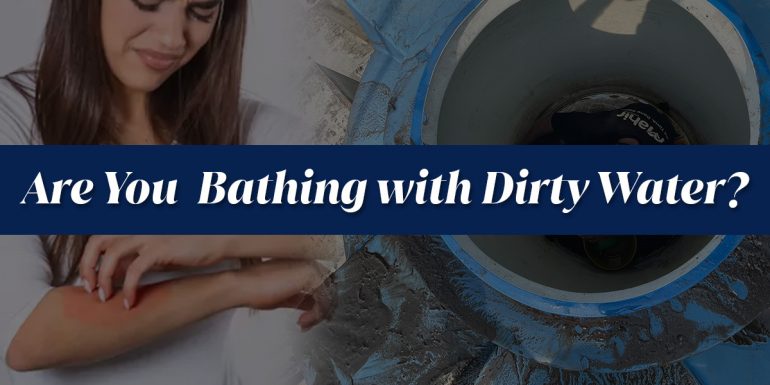
Water is essential for many daily activities, and while most people focus on the quality of water they drink, the water used for bathing is equally important. Many households rely on water tanks—whether made of cement or plastic—to store water for bathing, cleaning, and other non-drinking purposes. However, without regular water tank cleaning, these tanks can become breeding grounds for harmful contaminants that pose serious risks to skin health and overall hygiene.
This blog will explore the significance of regular water tank cleaning, particularly for water used in bathing, and the potential dangers of neglecting this vital task. We will also discuss how to maintain your water tanks properly, ensuring that the water you use for bathing remains safe and clean.
Why Water Tank Cleaning is Crucial for Bathing Water

Bathing is a daily ritual that refreshes us and is vital for maintaining personal hygiene. However, the quality of the water used in this process can have a significant impact on skin health. Here are some reasons why regular water tank cleaning is essential, particularly for bathing:
1. Preventing Skin Irritations and Infections
Contaminated water can carry a variety of pathogens, including bacteria, fungi, and viruses, that can cause skin irritations and infections. When water tanks are not cleaned regularly, they can accumulate dirt, algae, and harmful microorganisms.
Bathing in water from an unclean tank can lead to conditions like rashes, dermatitis, fungal infections, and other skin problems. Regular plastic water tank cleaning or cement water tank cleaning helps prevent rashes, dermatitis, fungal infections, and other skin problems by ensuring the water remains free from harmful contaminants.
2. Maintaining the pH Balance of the Skin
The pH balance of your skin is crucial for its health. Water that is contaminated or has a high level of dissolved impurities can disrupt this balance, leading to dryness, irritation, and other skin problems. Clean water, stored in a well-maintained tank, helps preserve the natural pH balance of your skin, keeping it healthy and hydrated.
3. Reducing the Risk of Hair Problems
Just like your skin, your hair can suffer from exposure to contaminated water. Dirty water can lead to scalp infections, dandruff, and even hair loss. Regular water tank cleaning ensures that the water you use for bathing and washing your hair is clean, reducing the risk of scalp infections, dandruff, and even hair loss. Whether you have a plastic water tank or a cement water tank, keeping it clean is essential for maintaining healthy hair.
4. Eliminating Unpleasant Odors
Over time, unclean water tanks can develop unpleasant odors due to the accumulation of bacteria, algae, and other organic matter. Bathing in water with a foul smell is not only uncomfortable but also a sign that the water is not clean. Regular water tank cleaning helps eliminate these odors, ensuring a more pleasant and hygienic bathing experience.
5. Preventing Long-Term Health Issues
While skin irritations and infections are immediate concerns, prolonged exposure to contaminated water can lead to more serious health issues. For example, certain bacteria and fungi found in unclean water can cause chronic skin conditions that require long-term treatment. Additionally, using contaminated water for bathing can weaken the skin’s natural barrier, making it more susceptible to other environmental pollutants. Regular water tank cleaning is essential to prevent these long-term health risks.
The Dangers of Neglecting Water Tank Cleaning
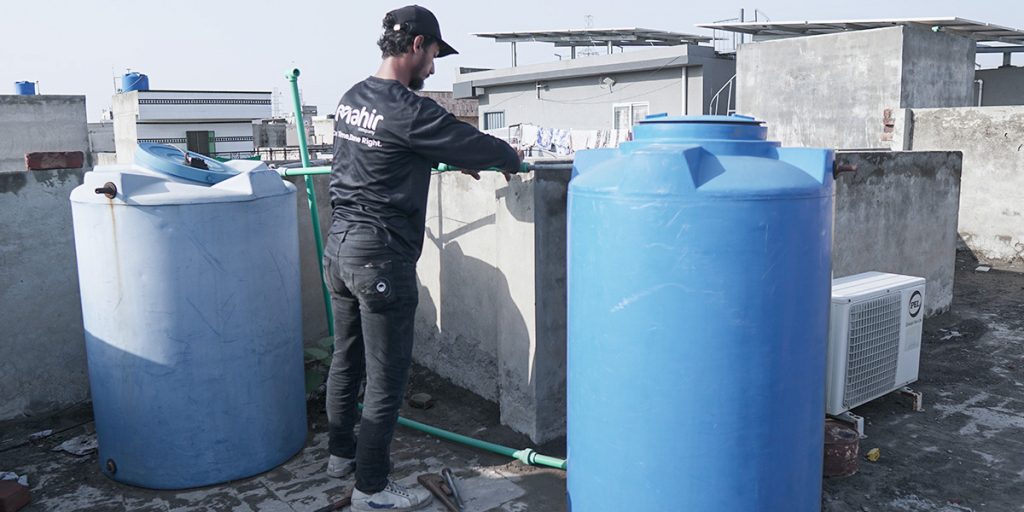
Failing to clean your water tank regularly can lead to a host of problems, particularly when the water is used for bathing. Here are some dangers associated with neglecting this important task:
1. Growth of Harmful Microorganisms
Water tanks, especially those not cleaned regularly, provide an ideal environment for the growth of harmful microorganisms. Bacteria such as Legionella, which can cause Legionnaires’ disease, and fungi like Aspergillus, which can lead to respiratory and skin infections, thrive in stagnant, dirty water. These microorganisms can spread throughout the tank and contaminate the water used for bathing, posing significant health risks.
2. Accumulation of Sediments and Debris
Over time, water tanks can accumulate sediments, debris, and even rust particles, particularly in cement water tanks. These impurities can irritate the skin and clog pores, leading to breakouts and other skin issues. The buildup of debris can also reduce the efficiency of the water tank, leading to further contamination.
3. Algae Growth in Plastic Water Tanks
Plastic water tanks are particularly susceptible to algae growth, especially if they are exposed to sunlight. Algae can thrive in the warm, moist environment of a water tank, and once established, it can be difficult to remove. Bathing in water contaminated with algae can cause skin irritation and other health problems. Regular plastic water tank cleaning is crucial to prevent algae from taking hold and contaminating the water.
4. Damage to the Water Tank
Neglecting water tank cleaning can also lead to damage to the tank itself. In cement water tanks, the buildup of contaminants can cause cracks and leaks, which can further compromise the quality of the water. In plastic water tanks, the growth of algae and the accumulation of sediment can degrade the material over time, leading to the need for costly repairs or replacements.
5. Increased Maintenance Costs
Failing to clean your water tank regularly can lead to more frequent and costly maintenance needs. Contaminated water can cause damage to plumbing systems, fixtures, and appliances, leading to expensive repairs. Regular water tank cleaning helps maintain the integrity of your water system, reducing the need for costly interventions.
How to Ensure Your Water Tank Remains Clean
Given the risks associated with unclean water tanks, it’s crucial to ensure that your tank is cleaned regularly and properly maintained. Here are some steps you can take to keep your water tank clean and ensure the water you use for bathing is safe:
1. Schedule Regular Cleaning
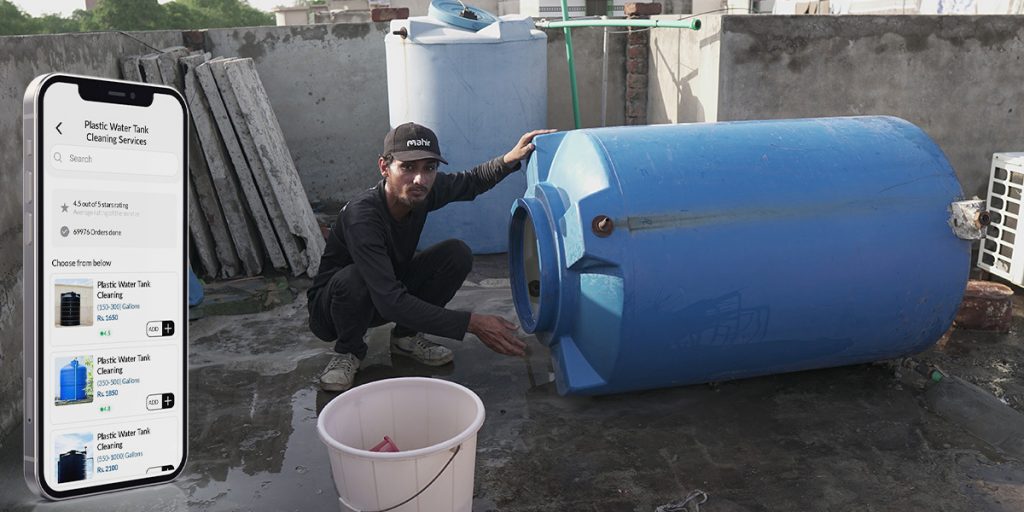
The most important step is to schedule regular water tank cleaning. Depending on the usage and environmental factors, water tanks should be cleaned at least once every six months. If you notice any signs of contamination, such as discoloration of the water or unpleasant odors, clean the tank immediately.
2. Hire a Professional Water Tank Cleaner
While it’s possible to clean a water tank yourself, hiring a professional water tank cleaner ensures that the job is done thoroughly and effectively. Professionals have the tools and expertise needed to remove all contaminants from the tank, ensuring that the water remains safe for bathing and other uses.
3. Inspect the Tank Regularly
In addition to regular cleaning, it’s important to inspect your water tank regularly for signs of damage or contamination. Look for cracks, leaks, or signs of algae growth, particularly in cement water tanks and plastic water tanks. Address any issues immediately to prevent further contamination.
4. Use Safe Cleaning Products
When cleaning your water tank, use safe, non-toxic cleaning products that won’t leave harmful residues in the tank. Avoid using harsh chemicals that can damage the tank or contaminate the water. If you’re unsure which products to use for water tank cleaning, just book a water tank cleaner online.
5. Keep the Tank Covered
To prevent contaminants from entering the tank, always keep the tank covered. This is particularly important for plastic water tanks, which are more susceptible to contamination from environmental factors such as sunlight and debris. A properly sealed and covered tank is less likely to become contaminated, reducing the need for frequent cleaning.
Key Takeaways
Water tank cleaning is a crucial task that should not be overlooked, especially when the water is used for bathing. Regular cleaning of both cement and plastic water tanks ensures that the water remains free from harmful contaminants that can cause skin irritations, infections, and other health issues. By maintaining a clean water tank, you can protect your skin health, improve your bathing experience, and prevent long-term health risks.
If you’re in need of a professional water tank cleaner, search for water tank cleaning near me to find reliable services in your area or download the Mahir Company App to book in just 3 clicks. Prioritizing regular water tank cleaning is an investment in your health and well-being, ensuring that the water you use every day is safe, clean, and hygienic.